Are you someone who enjoys hands-on work or being outdoors?
There’s a wide range of opportunities available in various trades across the building and construction industry, including:

There’s a wide range of opportunities available in various trades across the building and construction industry, including:
Plumbers may work in individual homes or on larger construction sites. They install, repair and maintain heating, cooling, gas, water, and ventilation systems.
Key duties of plumbers include:
Plumbers usually complete an apprenticeship combined with formal training through a trade qualification or vocational program.

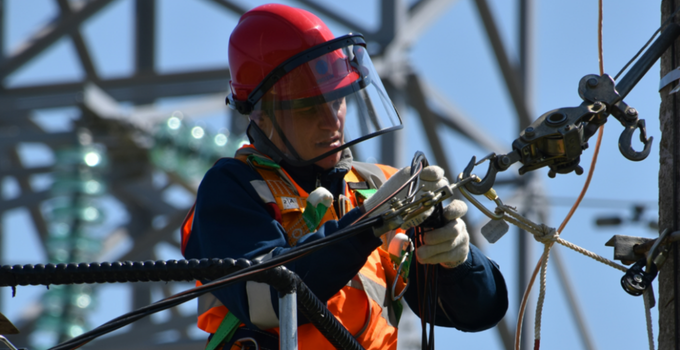
Electricians design, install, maintain and repair electrical systems across various settings.
Key responsibilities include:
To become an electrician, you typically complete a combination of classroom training and an apprenticeship. This usually involves gaining a trade certificate and practical experience.
To work independently, you may need to meet licensing requirements, which can include further assessments or qualifications.
Carpenters & joiners are skilled tradespeople who work with wood and other materials to construct, install, renovate and repair structures and fixtures. Carpenters primarily focus on framing, roofing and exterior elements of buildings. Meanwhile, joiners specialise in creating intricate woodworking pieces like cabinetry, stairs and doors.
Key responsibilities of carpenters include:

Key responsibilities of joiners:
To become a carpenter or joiner, you typically complete a Certificate III in Carpentry or Joinery, usually through an apprenticeship. This combines practical on-the-job training with classroom learning.
A White Card is also required to work on construction sites in Australia.

HVAC technicians are skilled professionals who work with heating, ventilation and air-conditioning systems.
Key responsibilities include:
To become an HVAC technician in Australia, you typically complete a Certificate III in Air Conditioning and Refrigeration through an apprenticeship. You’ll also need a Refrigerant Handling Licence and a White Card to work on construction sites. Further qualifications, such as a Certificate IV or Diploma, can support career progression.
Diesel mechanics are responsible for maintaining, repairing and rebuilding diesel engines and related systems in various vehicles and equipment.
Key responsibilities include:

To become a diesel mechanic in Australia, you typically complete a Certificate III in Automotive Diesel Engine Technology through an apprenticeship, which combines hands-on training with formal study. A pre-apprenticeship course, such as a Certificate II in Automotive Servicing Technology, can be a helpful starting point. As you gain experience, you may progress into specialised roles within the diesel industry.
Applying for a job in the trades? Whether you’re a qualified plumber, electrician, carpenter, or apprentice, your application needs to be clear, tailored, and professional. At Melbourne Resume Writers, we provide expert support to help your application stand out.
A strong cover letter introduces your skills and work ethic to potential employers. Our experienced writers craft letters that reflect your trade experience, qualifications, and genuine enthusiasm for the role.
Your resume should clearly present your licences, tickets, tools experience, and hands-on skills. We create professional resumes that highlight your strengths and align with the trade role you’re targeting—making it easy for employers to see why you’re the right person for the job.
